Criminal Charges & Police Encounters in Washington
Plain-language legal information · Citations checked against primary sources · Sources linked below
Legal information, not legal advice. This is general legal information, not legal advice, and does not create an attorney–client relationship. Laws vary by state and change over time. For advice about your specific situation, consult a licensed attorney.
General information — figures on this page are pending verification against official sources. Verify with your state's courts.
The basics of a police stop
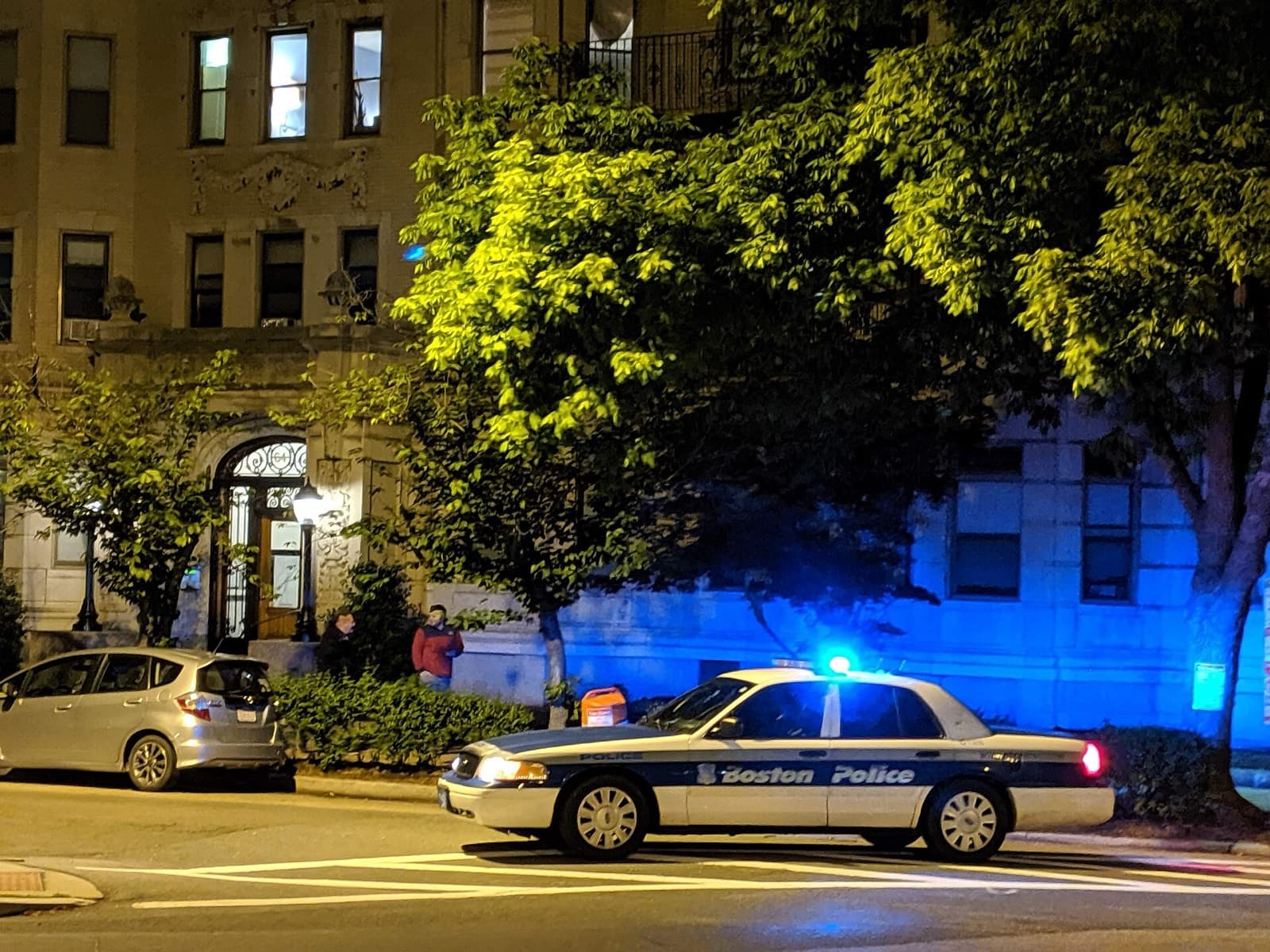
A police stop generally happens when an officer briefly detains you to investigate a possible violation of the law. Courts often distinguish between a consensual encounter (where you are free to leave), a brief investigative detention, and an arrest — each with different rules.
The Fourth Amendment to the U.S. Constitution protects against unreasonable searches and seizures. Many state constitutions provide parallel — and sometimes broader — protections.
Rights people commonly rely on
The right to remain silent is widely described by courts and legal-aid groups. In many situations you can say you wish to remain silent and ask whether you are free to go.
You can generally decline to consent to a search. Officers may still search in certain circumstances the law recognizes, but declining consent is a right courts have long acknowledged.
Searches — cars, homes, and phones
As a general rule, searches require a warrant, but courts recognize exceptions — including consent, items in plain view, searches incident to a lawful arrest, vehicles in some circumstances, and emergencies. Which exception applies is highly fact-specific, which is why the same search can be lawful in one situation and not in another.
Homes generally receive the strongest constitutional protection, and cell phones have their own rule: in Riley v. California (2014), the U.S. Supreme Court held that police generally need a warrant to search the digital contents of a phone, even after an arrest.
If you are arrested
An arrest means you are in custody. Before custodial interrogation, officers are generally required to give the Miranda warnings — the right to remain silent and the right to an attorney. Courts commonly describe that invoking these rights works best when stated clearly, and that questioning is supposed to stop once you ask for a lawyer.
Many states treat resisting arrest as a separate offense even when the arrest itself is later found invalid — challenges to an arrest are typically raised in court, not on the street. If you cannot afford an attorney, the right to appointed counsel in criminal cases has been recognized since Gideon v. Wainwright (1963).
Criminal charges and the court process
A criminal case typically moves through recognizable stages: charging (by complaint, information, or indictment), an arraignment where the charges are read and a plea is entered, pretrial release or bail decisions (rules vary widely by state), discovery, and pretrial motions. The overwhelming majority of criminal cases in the United States are resolved by plea agreement rather than trial.
If a case does go to trial, core rights include a jury, the ability to confront witnesses, and the requirement that the government prove guilt beyond a reasonable doubt. Sentencing is generally set within ranges fixed by statute, and many states publish their sentencing rules and guidelines online.
Probation and parole
Probation is court-ordered supervision, often instead of or alongside incarceration; parole is supervised release after serving part of a prison sentence. Both come with written conditions — reporting, travel limits, testing, fees — and the specific rules vary significantly by state.
A claimed violation usually leads to a revocation hearing. Courts have held that people facing revocation are entitled to certain due-process protections (cases like Morrissey v. Brewer and Gagnon v. Scarpelli are commonly cited), but these hearings offer fewer protections than a criminal trial, which is why the conditions themselves matter so much.
After the case — clearing your record
Once a case ends, many states offer ways to seal or expunge eligible records, and a growing number have 'Clean Slate' laws that seal certain records automatically after a waiting period. Eligibility depends on the state, the offense, and the outcome of the case.
This site has dedicated guides for both: see the Expungement guide for sealing and clearing eligible records in your state, and the Court Records guide for finding and reading your own case records.
Sources
This guide references Washington's statutes and rules of court, plus public legal-aid resources. Specific statute figures for Washington are being verified against primary sources. Always confirm current law with your state's official website or a licensed attorney.
Go deeper with the attorney-ready Police Stop Rights pack.
See inside · Coming soon